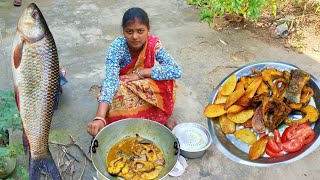
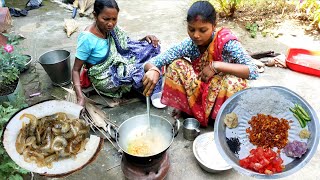
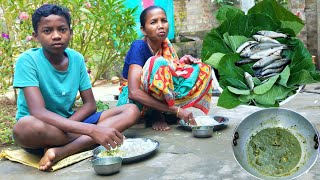
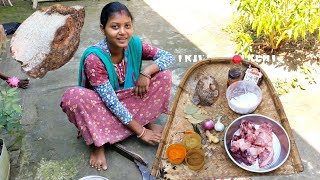
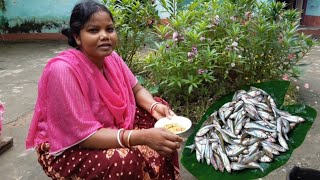
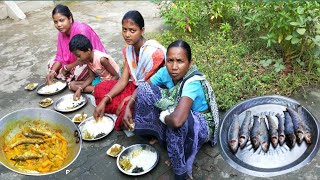
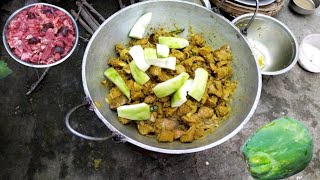
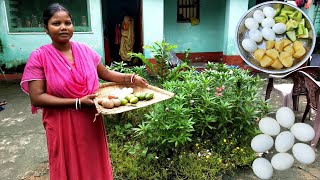
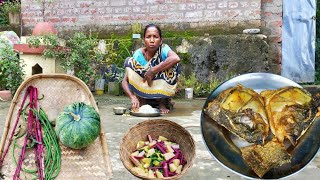
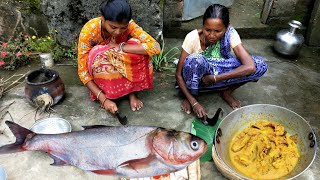
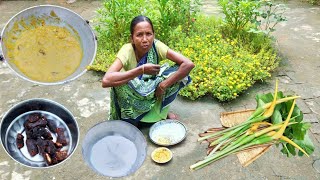
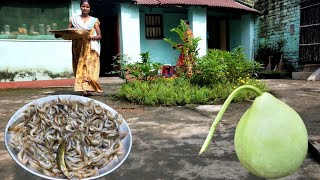
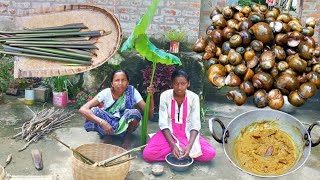
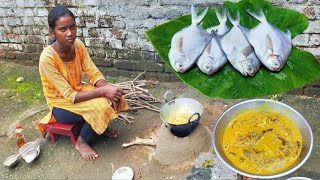
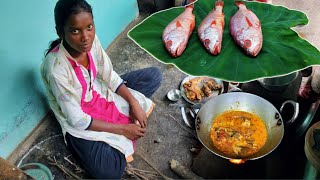
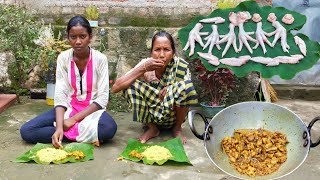
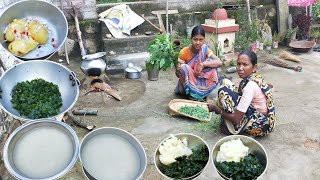
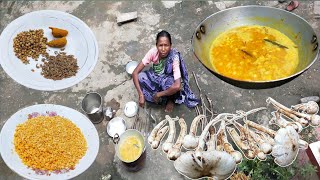
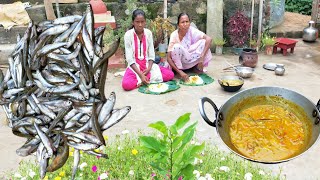
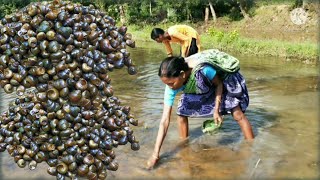
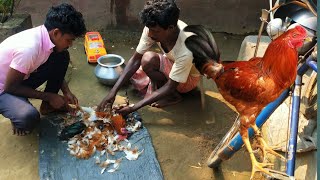
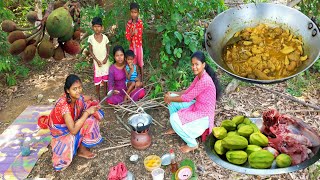
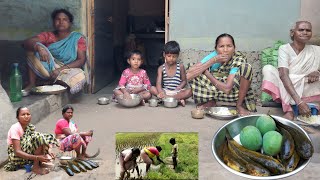
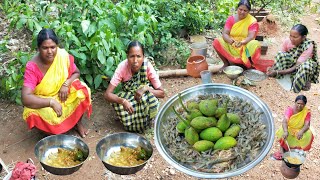
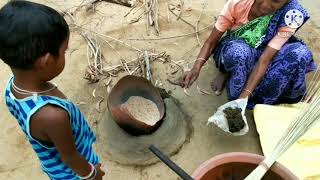
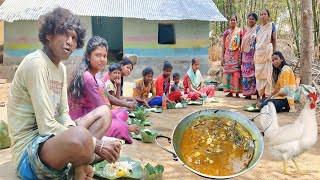
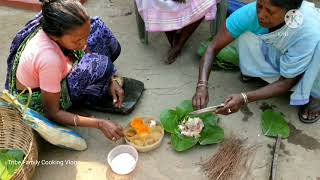
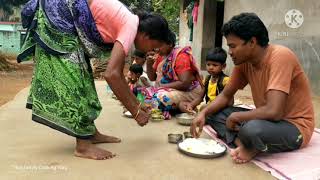
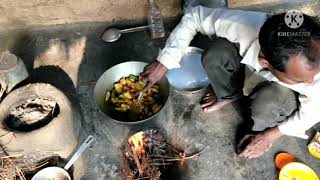
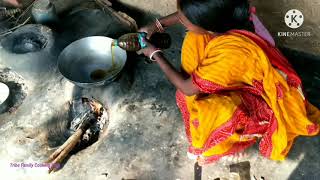
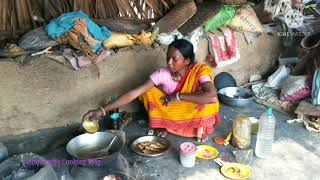
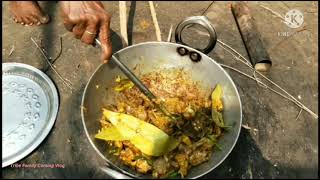
เฆเฆฆเฆฟเฆฌเฆพเฆธเง เฆฐเฆจเงเฆงเฆจเฆชเงเฆฐเฆฃเฆพเฆฒเงเฆฐ เฆกเฆฟเฆเฆฟเฆเฆพเฆฒ เฆธเฆเฆฐเฆเงเฆทเฆฃ | เคเคฆเคฟเคตเคพเคธเฅ เคเคพเคฆเฅเคฏ เคตเคฟเคฐเคพเคธเคค เคเคพ เคกเคฟเคเคฟเคเคฒ เค เคญเคฟเคฒเฅเคเคพเคเคพเคฐ
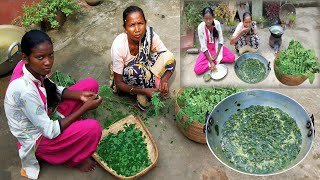
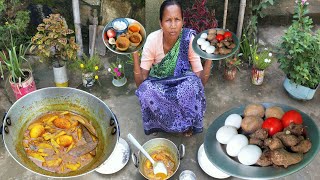
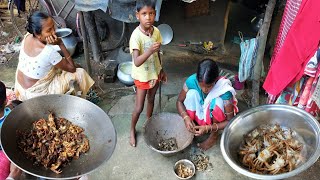
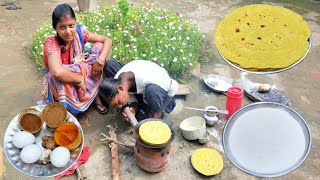
India's first cultural heritage preservation initiative documenting the endangered food culture and culinary heritage of West Bengal's indigenous communities โ Santal, Toto, Rajbangshi, Mech, Lodha, Rabha, Garo, and beyond.
Every entry in the archive is documented across multiple structured layers, organised in two tiers โ 13 primary layers capturing what a tradition is today, and Layer 14 capturing where it came from.
A Community Digital Humanities initiative preserving endangered culinary heritage through multi-layer deep archiving
Mapping Memory, Mapping Meals is India's first community digital humanities project dedicated exclusively to preserving the endangered food culture and culinary heritage of West Bengal's indigenous communities. The project was conceived and executed during a summer research internship at the Department of Humanities and Social Sciences (HSS), Indian Institute of Space Science and Technology (IIST), Thiruvananthapuram, Kerala, under the mother project HS02: Mapping of Regional Cuisines โ Food and Cultural Studies.
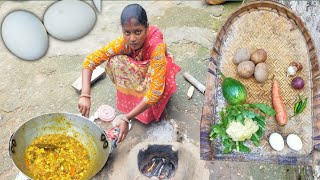
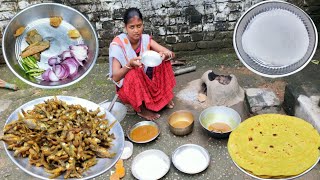
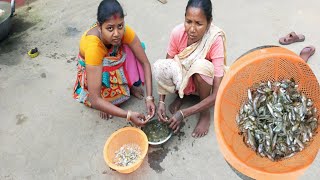
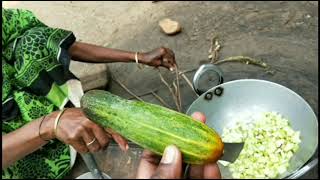
The archive documents the food traditions of the Santal, Toto, Rajbangshi, Mech, Lodha, Rabha, Garo, Kheria Sabar, Oraon, Gorkha, Limbu, Bhutia, Birhor, and over twenty other communities โ traditions that have remained invisible in mainstream Indian culinary historiography, occluded behind an urban, dominant-caste bias that even the most encyclopedic print works reproduce.
The project's WebGIS platform was built through prompt engineering and vibe coding on Emergent AI, an agentic multi-agent development platform. This website was developed using Claude Sonnet 4.6, an AI by Anthropic.
Despite exhaustive works like K. T. Achaya's Indian Food: A Historical Companion (1994) and Chitrita Banerji's Eating India (2007) โ two landmark texts in Indian culinary historiography โ there is virtually zero documented data regarding the vernacular foodways of West Bengal's indigenous communities. The complex foraging ecologies, zero-waste ethnobotanical survival foods, and sacred agrarian offerings of Bengal's forest belts remain entirely unindexed in mainstream culinary literature.
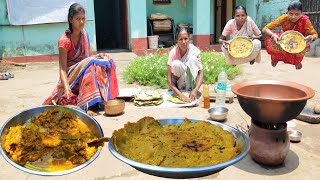
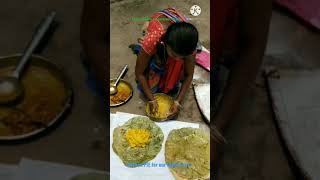
The Pratichi Institute and Asiatic Society's 2018 survey of 1,000 tribal households documents the urgency: 31% face food scarcity, the average life expectancy is 58 years (12 below state average), and forest degradation has replaced diverse ethnobotanical diets with PDS-rationed white rice, creating measurable nutritional deficits. This project responds to that emergency with a digital archive designed to preserve irreplaceable knowledge before it disappears entirely.
97 geocoded food entries across West Bengal's tribal communities โ explore the living multi-layer archive
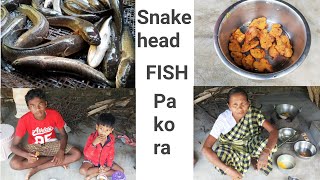
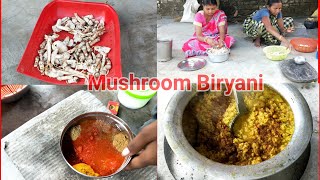
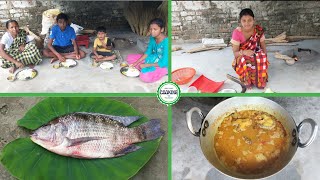
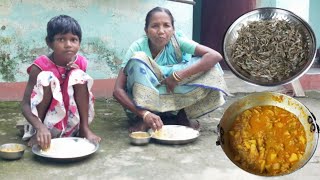
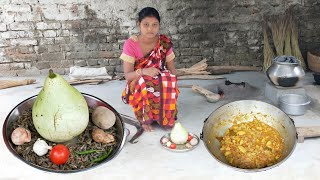
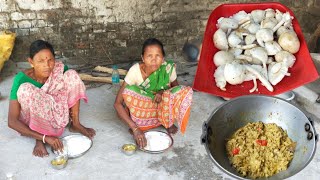
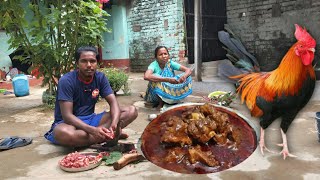
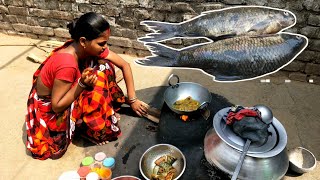
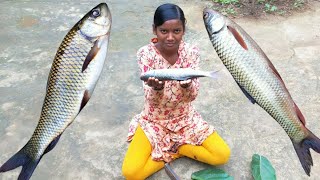
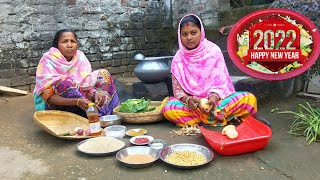
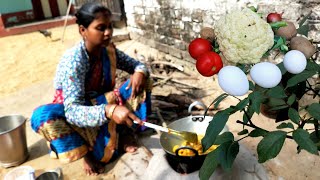
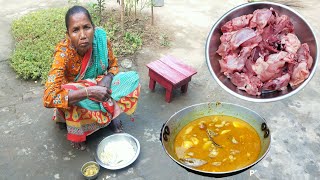
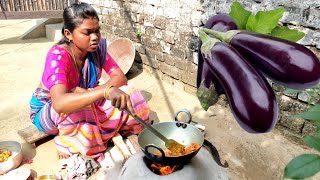
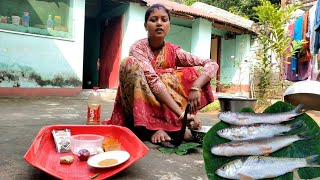
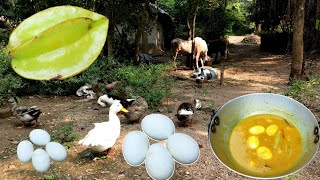
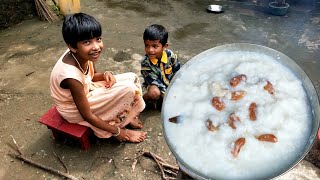
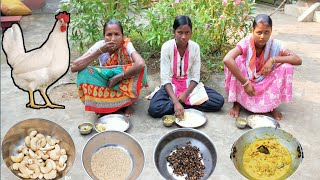
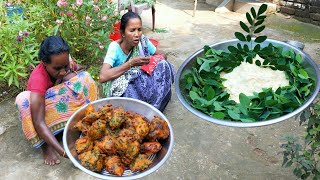
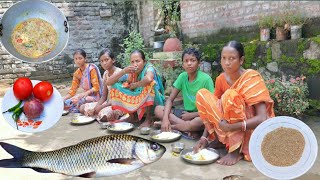
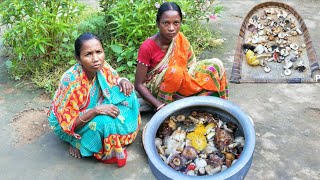
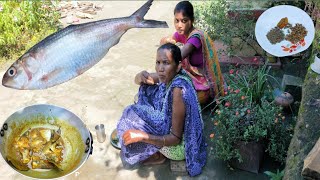
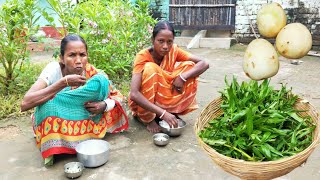
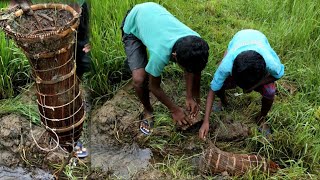
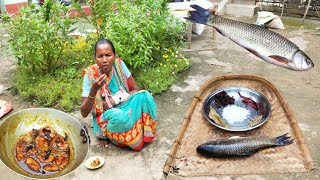
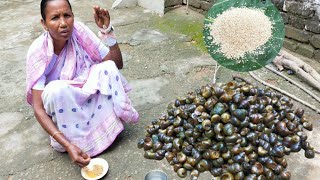
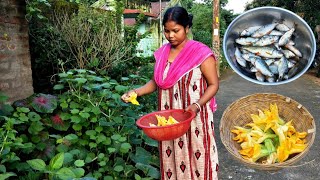
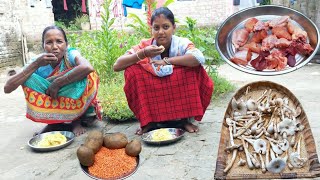
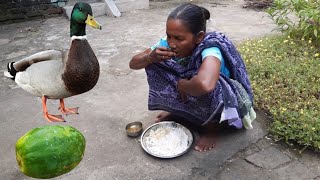
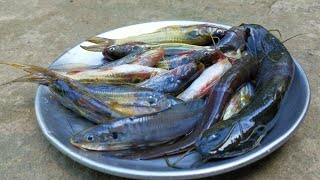
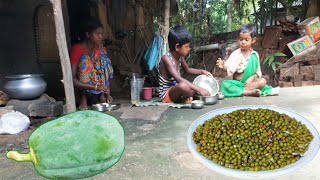
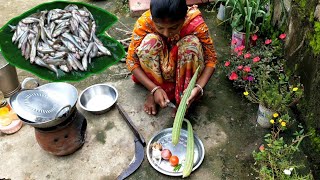
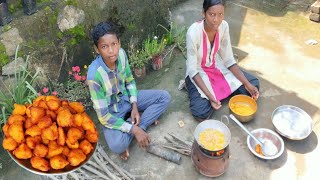
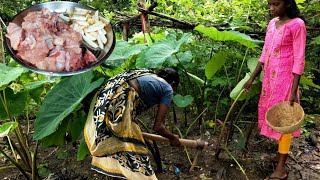
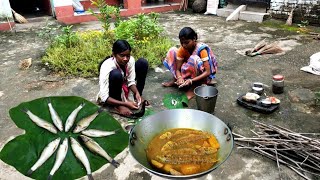
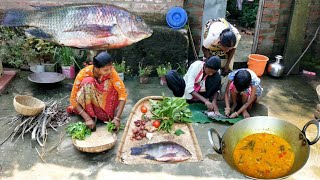
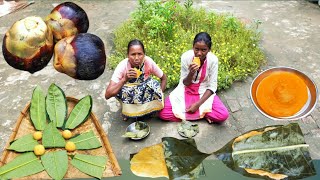
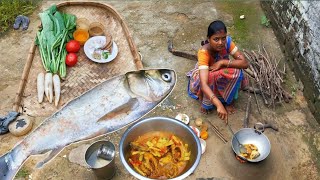
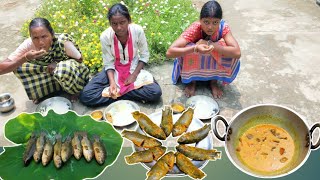
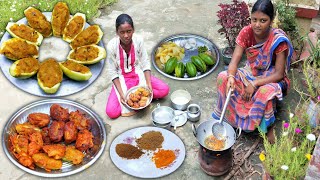
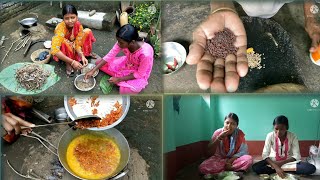
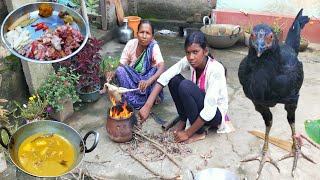
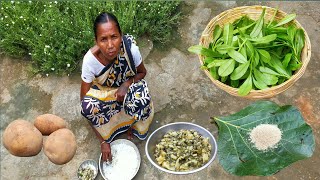
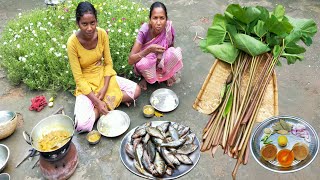
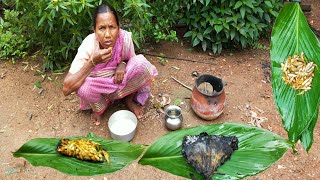
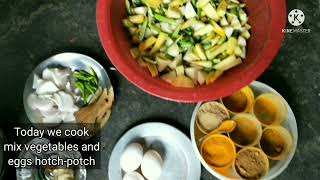
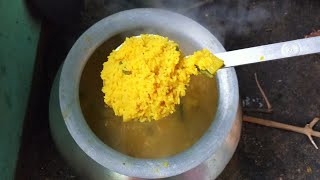
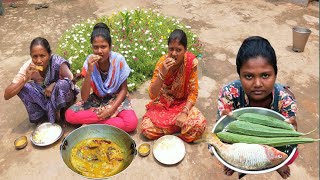
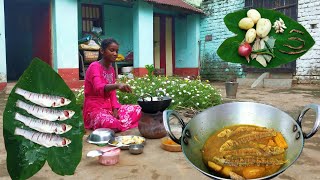
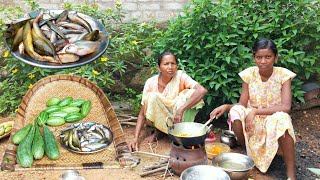
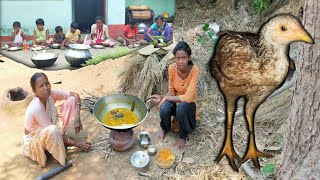
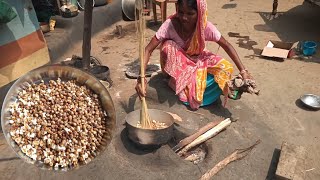
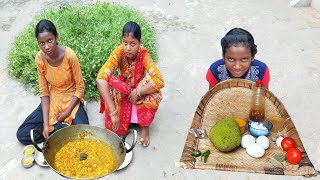
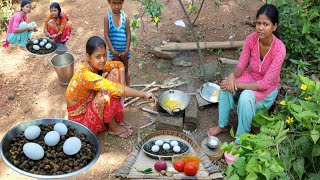
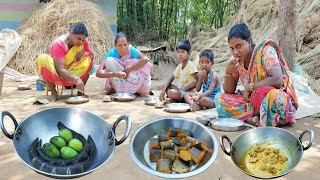
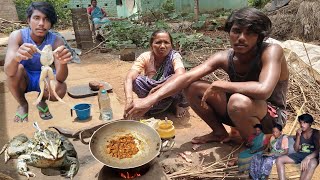
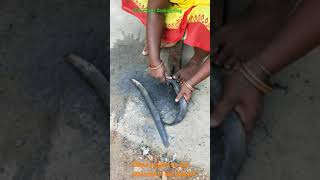
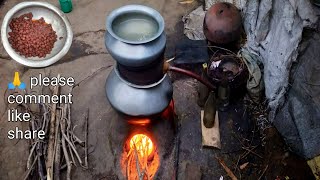
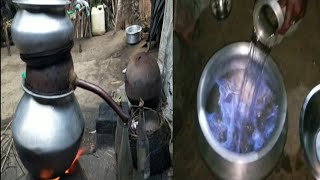
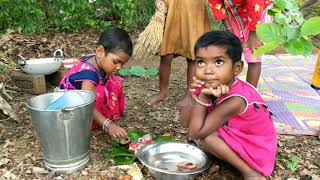
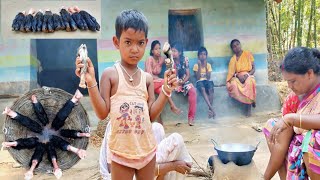
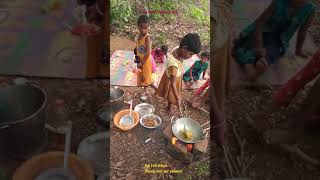
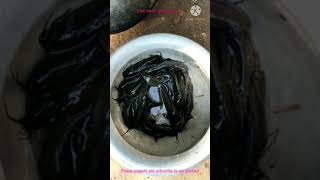
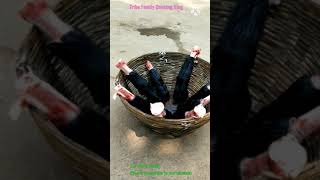
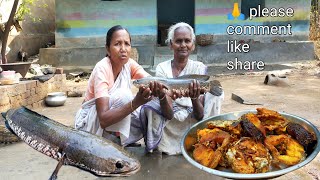
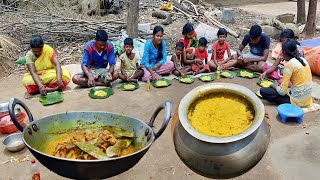
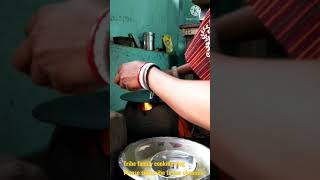
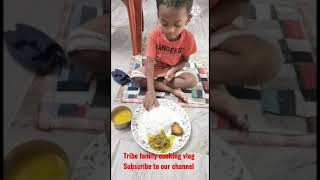
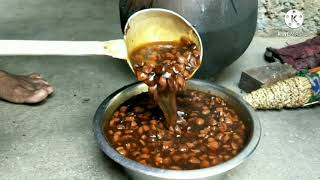
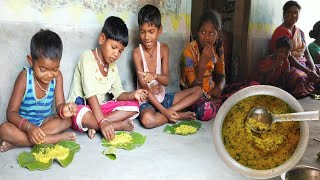
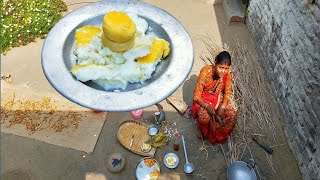
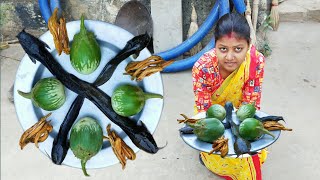
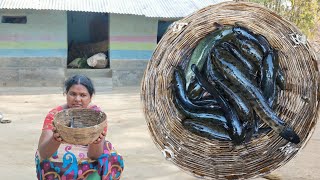
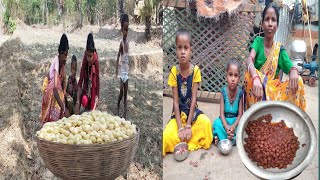
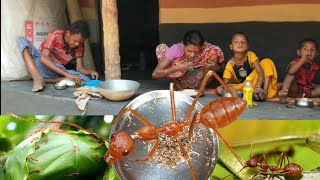
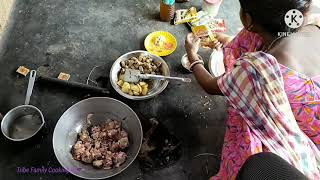
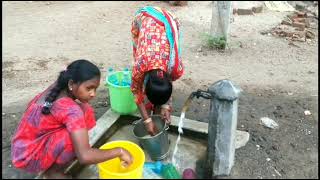
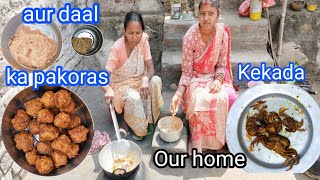
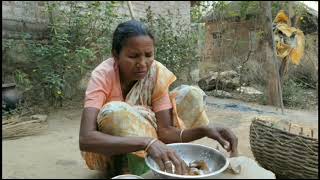
Community food videos, documentaries, and social media content from West Bengal's tribal communities
These videos and social media posts were gathered through digital ethnographic research as living documentation of indigenous culinary practices โ treated as primary data, not merely illustrative supplements.
Press, journalism, and public media documentation of the project
Press coverage and media documentation for this project will be updated here as they become available. We are an ongoing initiative โ follow us on social media for the latest updates.
Conferences, seminars, journal submissions, and academic dissemination
The people behind Mapping Memory, Mapping Meals
Extraordinary individuals whose contributions made this archive possible
Over the years, Joseph Rozario has grown as both a chef and a person. He joined a 5-star property โ the Renaissance Conventional Centre and Hotel in Mumbai, a prestigious JW Marriott property โ where his skills were consistently appreciated by senior chefs. Polishing his culinary expertise at the highest level, Joseph then served as Executive Chef at Hotel Sinclairs, Siliguri, a 3-star property, making him the youngest Executive Chef in North Bengal at the time.
He then found solace in teaching the art of cooking to young people at Modi Public School, a joint-venture culinary arts programme for children. Joseph became a partnership member with Inspiria Knowledge Campus for a Culinary Certification Course for adults, and โ recognising his responsibility toward society โ associated himself with an NGO in Damdim where he teaches culinary arts to underprivileged children. He endorses the tea brand Riddhi Siddhi Green Tea and has appeared in television commercials for various brands.
We are deeply grateful to Chef Joseph Rozario for his extraordinary generosity in responding to our call for help in this โ the first initiative of its kind in India โ devoted to indigenous food cultural heritage preservation.
His monograph Untouched North Bengal: Cook Book (Darpan Publication, 2015) is the only published comprehensive record of North Bengal's tribal communities' cookbooks and culinary cultures, representing three years of dedicated field research. Through OCR extraction, we recovered 10 exclusive recipes from this rare text โ including the Mech Dibouli Bidot pork pulao, the Toto Yashai Nayako leaf-parcel fish, and the Rajbangshi Bhapa steam cake โ all of which appear nowhere else in the formal culinary record.
Chef Rozario generously provided a hardcopy of his book at no cost and has expressed willingness to permanently donate it to the IIST Library upon completion of the study. Without him, the North Bengal indigenous culinary layer of this archive would not exist.
Individuals who contributed through discussion, research, fieldwork, and community engagement
Contribute to the archive โ reviews, blogs, data corrections, and community recipes
Complete works cited, references, and scholarly sources used in this project
The complete bibliography, works cited, and reference list for Mapping Memory, Mapping Meals โ covering 98 unique entries across tribal food studies, digital humanities theory, spatial humanities, and digital cultural heritage.
Academic blogs on indigenous food culture and traditions, culinary heritage, Digital Humanities, and Indigenous knowledge systems will appear here. Submit your blog to be featured.
Interviews with tribal community members, researchers, chefs, and food culture practitioners will be published here as the project progresses.
How we ensure this archive lasts beyond its creators
Creative Commons licensing, Indigenous data sovereignty, and ethical frameworks
Credit must be given to Simanta Nandi and the Mapping Memory, Mapping Meals project in the manner specified. Do not imply endorsement. Include the licence notice and a link to this archive where possible.
Under CC BY-NC 4.0 (as distinct from CC BY-NC-SA), derivative works do not need to carry the same licence. Adaptations may be licensed under different terms โ enabling maximum reuse in academic and community contexts, provided the use remains non-commercial.
Commercial use of this archive's content is not permitted under CC BY-NC 4.0. This archive is a non-commercial, non-funded academic initiative dedicated to community heritage preservation. For commercial licensing enquiries, please contact us directly at mappingmemory.contact@gmail.com.
You may remix, transform, and build upon the material. Academic projects, digital humanities initiatives, and community archives are encouraged to adapt this dataset, methodology, and framework for their own regional applications.
โ Non-Extractive AI Clause: This archive implements a "Data Shield" โ modifications to robots.txt configuration, explicit non-AI-scraping licences embedded in repository root files, and open-source data-licensing scripts protecting indigenous content from commercial AI training. Corporate AI systems are explicitly prohibited from scraping this archive's indigenous knowledge to train Large Language Models without community consent. This represents a new form of digital sovereignty designed to prevent computational colonialism.
Creative Commons licensing and Indigenous data sovereignty can be in tension. CC BY-NC 4.0 permits broad reuse; Indigenous data sovereignty requires that communities control how their knowledge circulates. This archive resolves the tension as follows:
For further reading on Creative Commons licensing, visit creativecommons.org.
Help us improve this archive for researchers, communities, and visitors
Mapping Memory, Mapping Meals welcomes your questions, contributions, and collaborations
Use these ready-to-copy citation formats when referencing Mapping Memory, Mapping Meals in your research
Select a citation style below. Click the Copy button to copy instantly to your clipboard. Fill in the access date where indicated with [Day Month Year].
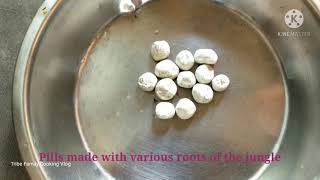
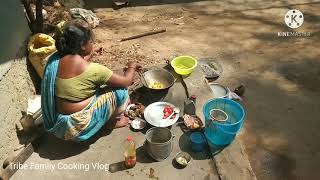
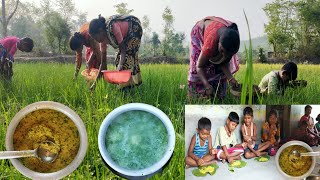
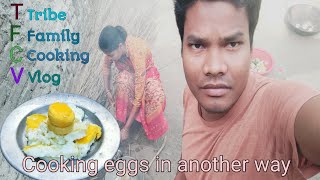
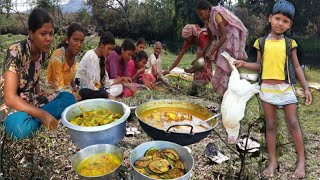
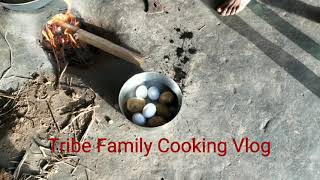
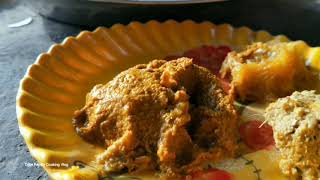
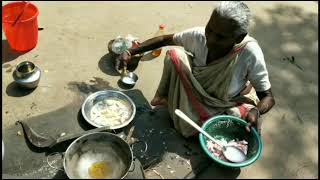
154 Santhali recipe videos โ the complete YouTube dataset documenting indigenous culinary heritage
The complete Tribe Family Cooking channel dataset extracted via YouTube Data API v3. Each video documents authentic Santhali cooking methods, rare ingredients, and traditional food preparations passed down through generations.